
pH and Ion Selective Electrodes
The vast majority of pH electrodes comprise a thin glass bulb as the measuring electrode.
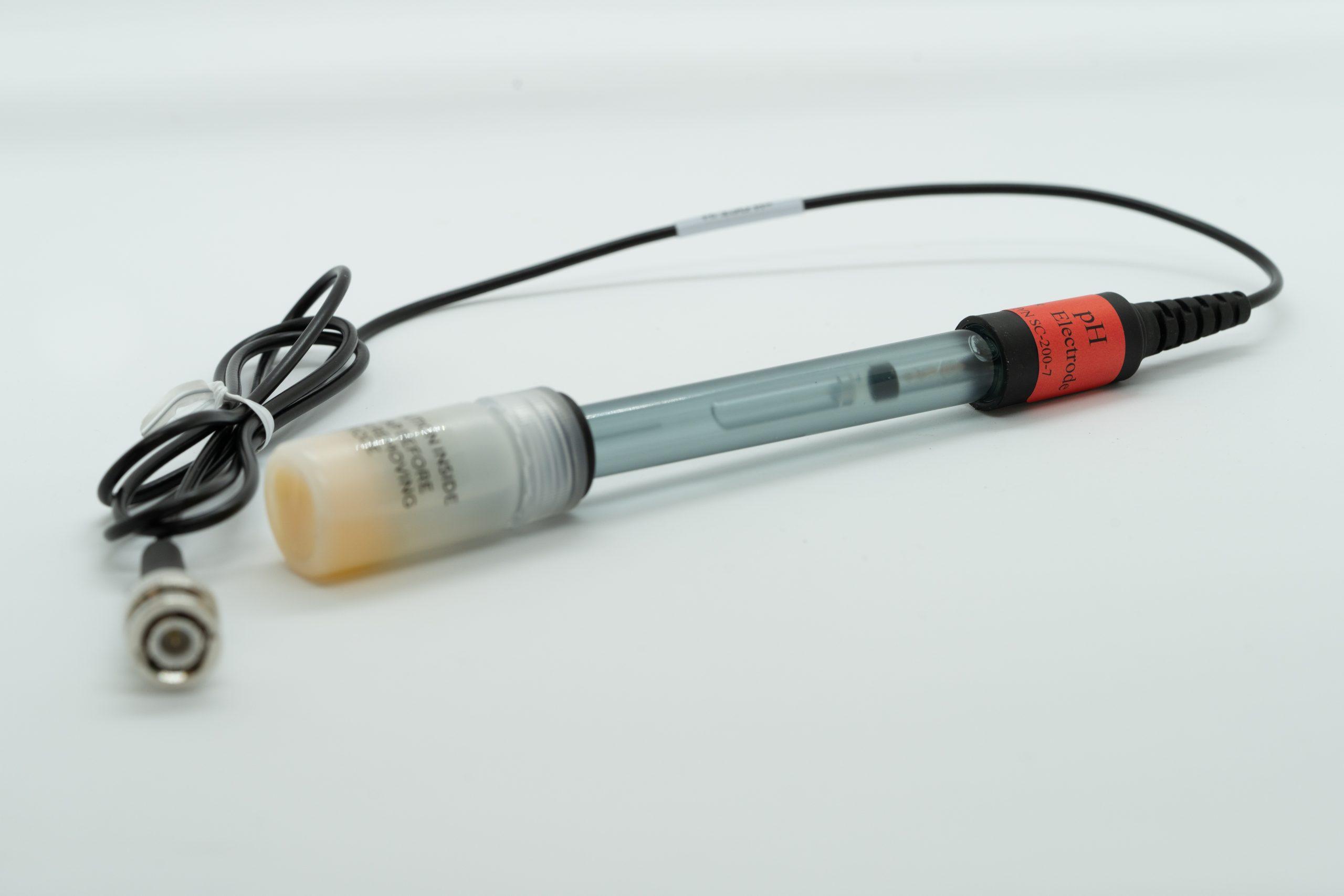
They also require a reference electrode which may be incorporated into the measuring electrode (which is then known as a combination electrode). Both combination electrodes and electrodes with a separate reference are suitable for use with the:
We also supply a:
Manufacturers of other pH electrodes include:
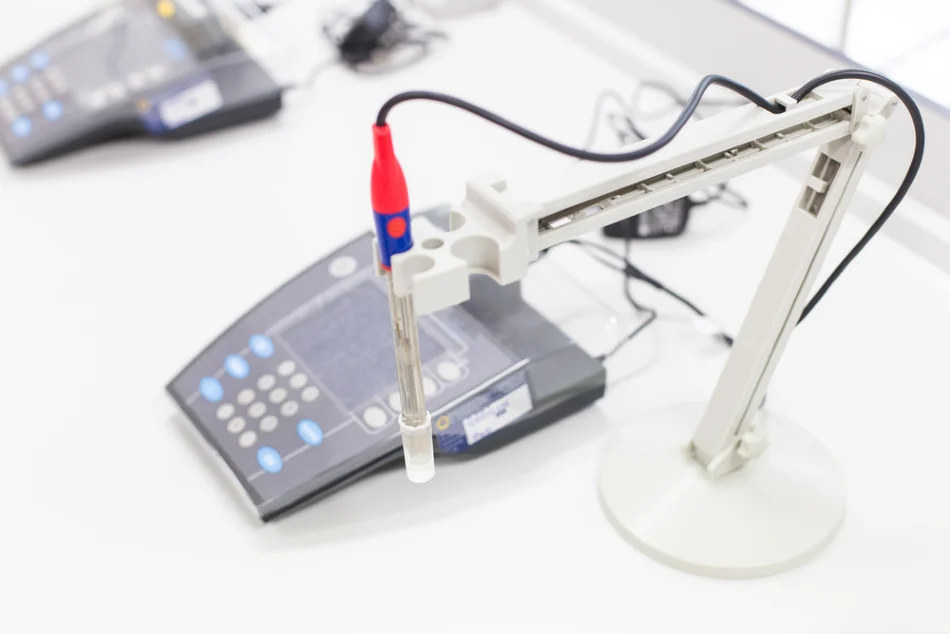
Although there are several methods of construction most of these electrodes work by changing their potential (voltage) in response to changes in ionic concentration, Many pH meter are suitable and they are often marketed as ‘pH/ISE meters’. Often these electrodes require a separate reference electrode (usually a silver/silver chloride reference is suitable).
eDAQ makes suitable amplifiers for these electrodes:
Ion selective electrodes are available for many ionic species including sodium, potassium, calcium, chloride, nitrate, sulfide, etc, and are available from:
‘Combination’ pH electrodes and ISEs have an internal reference and can be directly connected to the BNC socket on the back of an eDAQ pH & ISE isoPod.
‘Half cell’ pH electrodes and ISEs must be used with a separate reference electrode. In this case the reference electrode is connected to the shell of the BNC socket on the back of an eDAQ pH & ISE isoPod, while the sensor electrode is connected to the center pin of the socket. You may find the following adaptors useful in connecting such electrodes to the isoPod:
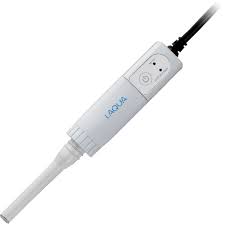
Occasionally you may come across pHFET (pH field effect transistor) and ISFET (ion selective field effect transistor) electrodes. In general these electrodes require a specially designed meter (they will NOT work with the pH/ISE isoPods, or most other standard pH meters). Usually the pHFET or ISFET electrode and meter will be obtained from the same manufacturer – you will need to check the meter specification to see is an analog signal is provided that is compatible with e-corder.
Sentron, TitanX meter and electrodes
It is possible to monitor pH by the use of fibre optic technology. The tip of the fibre optic probe is coated in a special dye which changes colour in a known way with changes in pH. A special meter must be used with the probe and both are usually bought from the same manufacturer.
DISCLAIMER: The appearance of a third party company or product on this page is for informational purposes and constitutes neither a recommendation nor an endorsement.