Contactless Conductivity Introduction
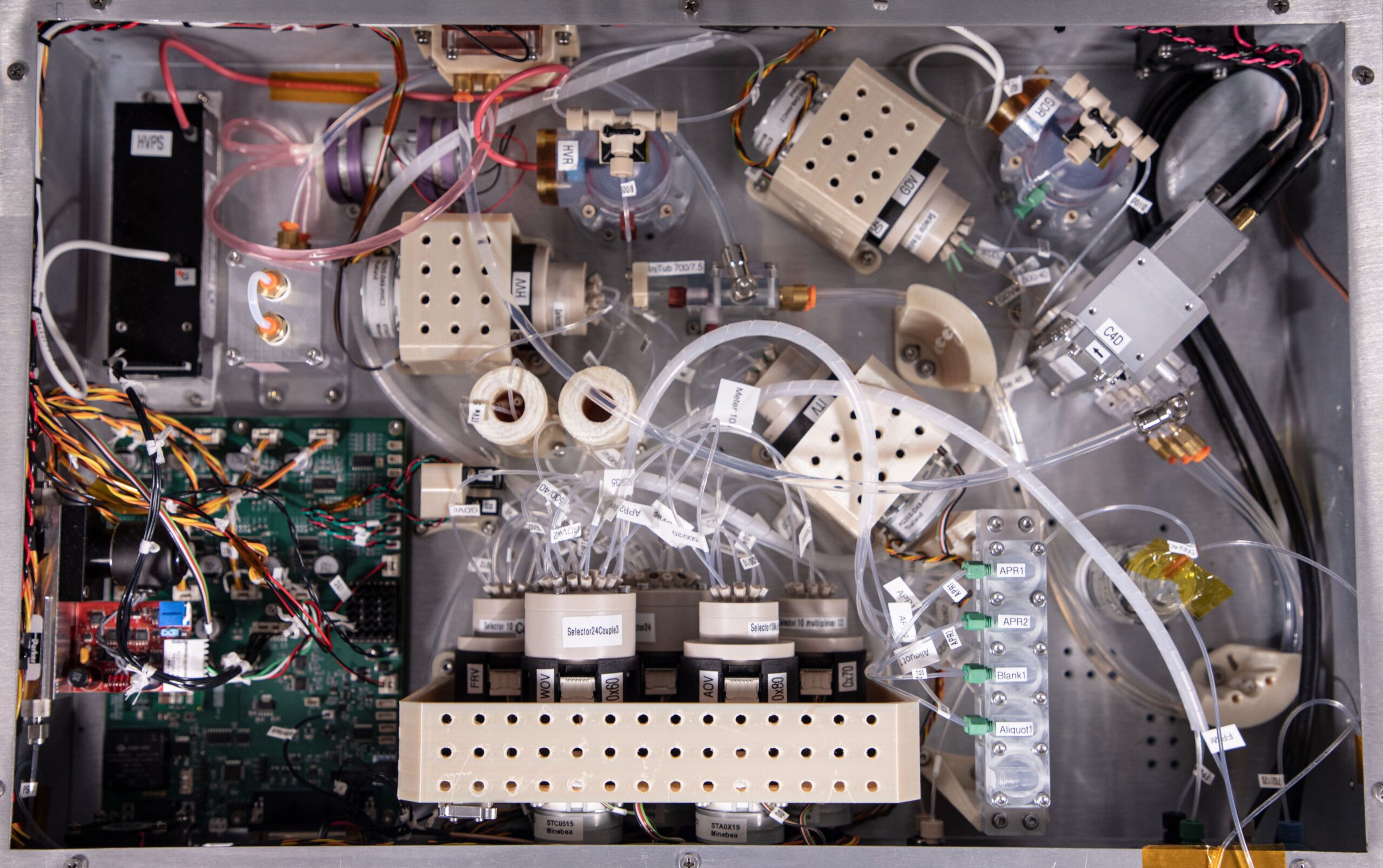
eDAQ supplies several products for Capacitively-Coupled Contactless Conductivity Detection (C4D). Please see the full list of C4D products. C4D can be used for:
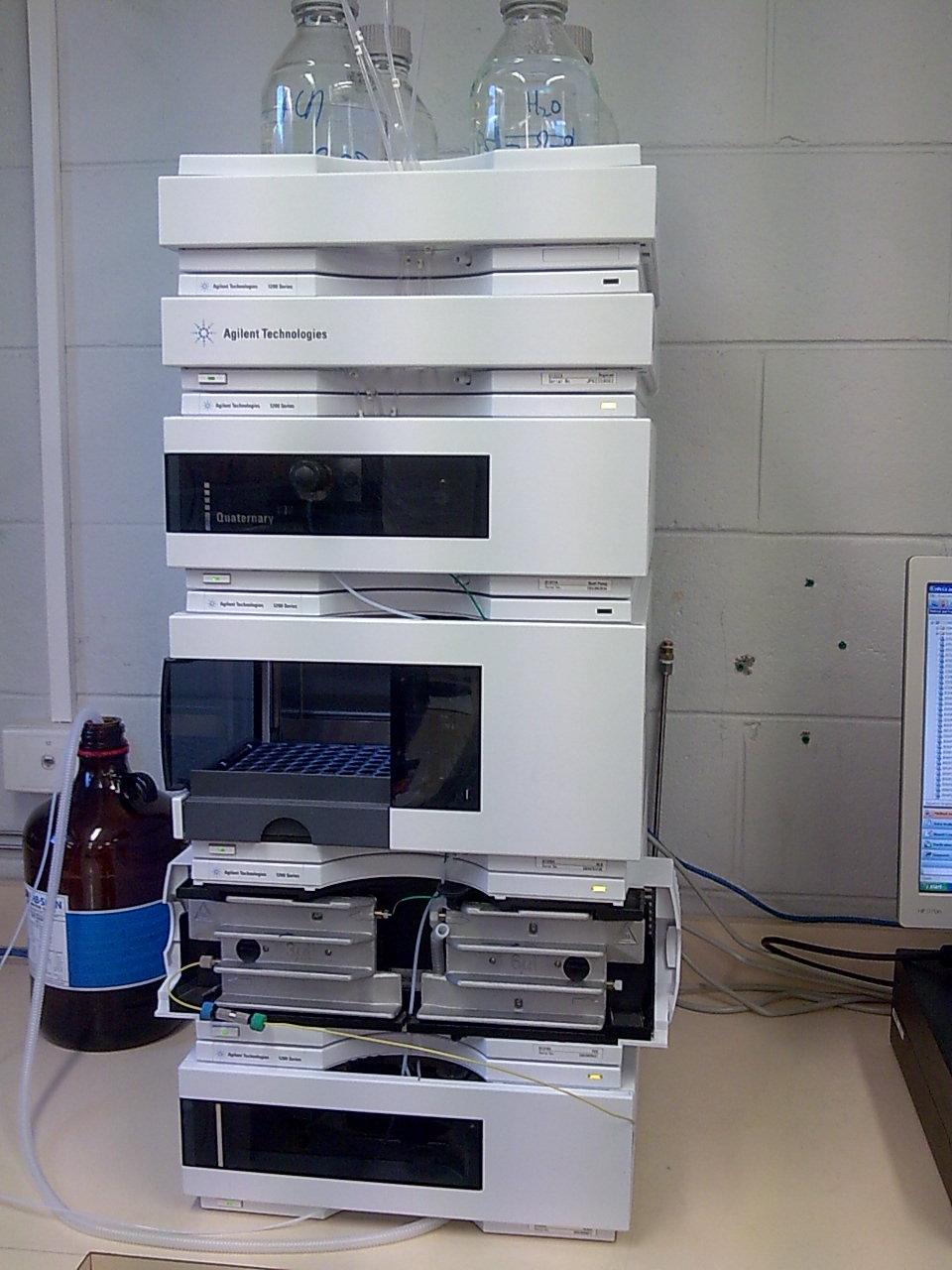
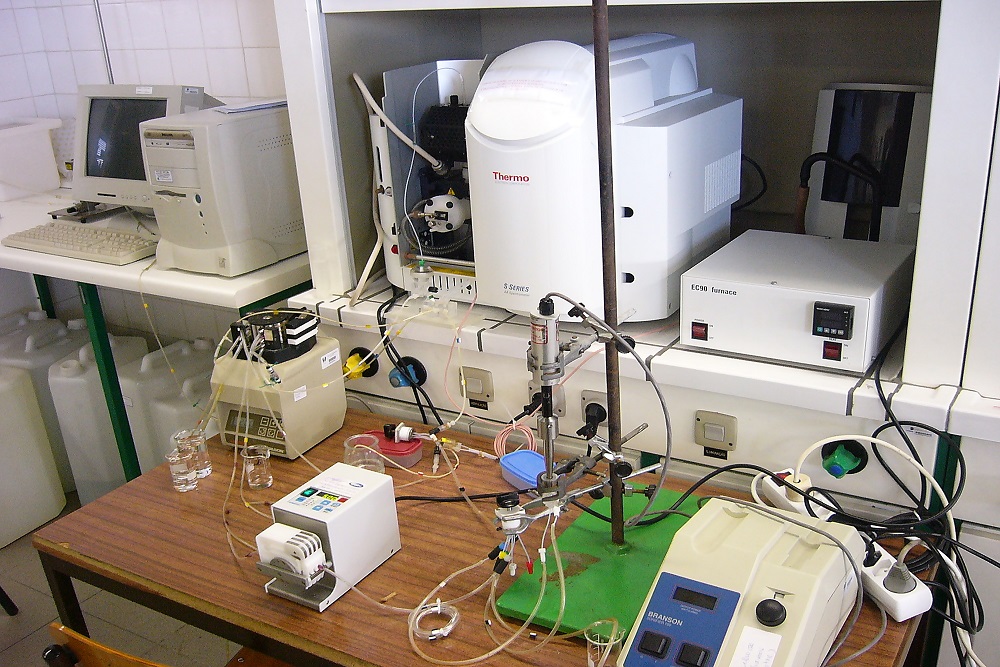
Many brands and models of chromatograph can be connected to either an e-corder system.
C4D products fall into three classes. Learn more in the application note.
The basis of contactless conductivity meaurements is explained in Figures 1, 2, and 3:

Fig 1

Fig 2

Fig 3

As analyte ions pass into the detection region they cause small changes to the overall sample conductivity. Continous monitoring of the conductivity signal will show a series of peaks, the areas (or heights) of which are related to analyte concentration. The signal is processed like a conventional chromatogram.
Since the the vast majority of analytes for CE are ionic, a C4D system functions as a ‘universal’ method of detection requiring minimal sample preparation. The technique can also be used in parallel with UV-visible absorbance, or fluorescent detection. Sensitivity is typically similar to UV-visible absorption detection. Click to view citations and C4D resources.
The C4D electrodes do not make direct contact with the sample. CONTACTLESS conductivity detection has several advantages over CONTACT conductivity detection: